 Soo Gallery
Pourang Pirataie, born on October 1985 ,30, in Shahr-e Rey, Iran, is a visual artist. He studied graphic design at the IRIB Art School. His interest in the visual arts began in childhood and developed into a professional practice through his formal education and involvement with the Iran House of Cartoon.
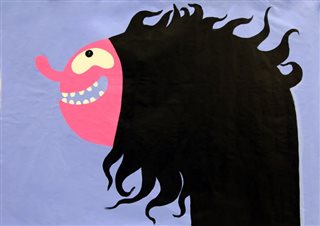
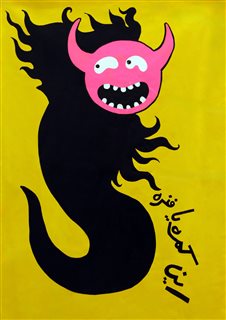
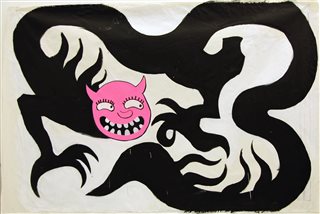
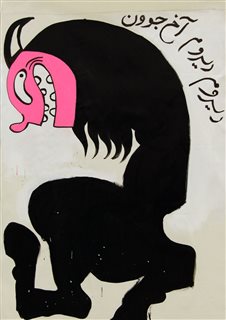
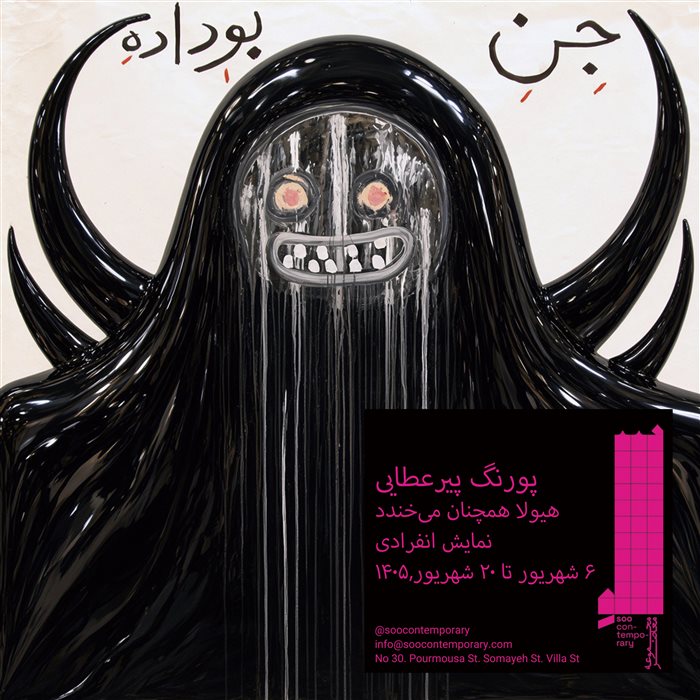
Pirataie’s work brings together diverse approaches drawn from modern and contemporary art. Influenced by the expressive possibilities of Pop Art and Expressionism, he has developed a distinctive visual language in which narrative elements, humor, formal exaggeration, and emotional expression coexist. In his practice, the image functions not merely as representation, but as a space for engaging with both individual and collective experiences.
Working primarily with acrylic, wax resin, and oil pastel, Pirataie’s practice can be situated within the field of mixed media. The layering of color, texture, and various materials is a defining characteristic of his visual language.
His solo exhibitions include The Monster Laughs at Homa Gallery (2010), Happy Series at Homa Gallery (2013), Horses and Smiles at Delgosha Gallery (2018), and Mourning at Azad Art Gallery (2023). Through his work, Pirataie constructs a world in which the boundaries between humor and sorrow, memory and imagination, and the everyday and the symbolic are continually shifting. This interplay of contrasts creates a space for exploring the complex layers of individual experience and contemporary life.
A direct encounter with war, and with the overwhelming reality of its presence, is a profoundly existential experience. Beyond its social, political, and ethical dimensions, war also has an intensely personal and internal aspect—one that is inscribed differently in each individual’s memory. Everyone carries their own account of the moment they hear the roar of bombers overhead; of how they confronted war and, for those who emerge from it, of what remains afterward: fear, suffering, memory, and the persistent attempt to return to life. The narratives may resemble one another, yet the lived experience of war remains singular and deeply personal.
Pourang Pirataie’s work has consistently been characterized by an expressive quality, which continues to form the foundation of his visual language in this body of work. Both the language and content of the works emerge from personal experience—an experienced reality that the work approaches not merely as representation, but as a form of self-narration.
This narrative unfolds through a language that is humorous, exaggerated, and at times delirious. Laughter does not stand in opposition to suffering; rather, it becomes a means of articulating and enduring it—a laughter that carries anxiety and hope simultaneously. In this sense, humor becomes a way of confronting darkness: a language through which the pain of living can be expressed while preserving a sense of hope for redemption and a belief in the possibility of light.